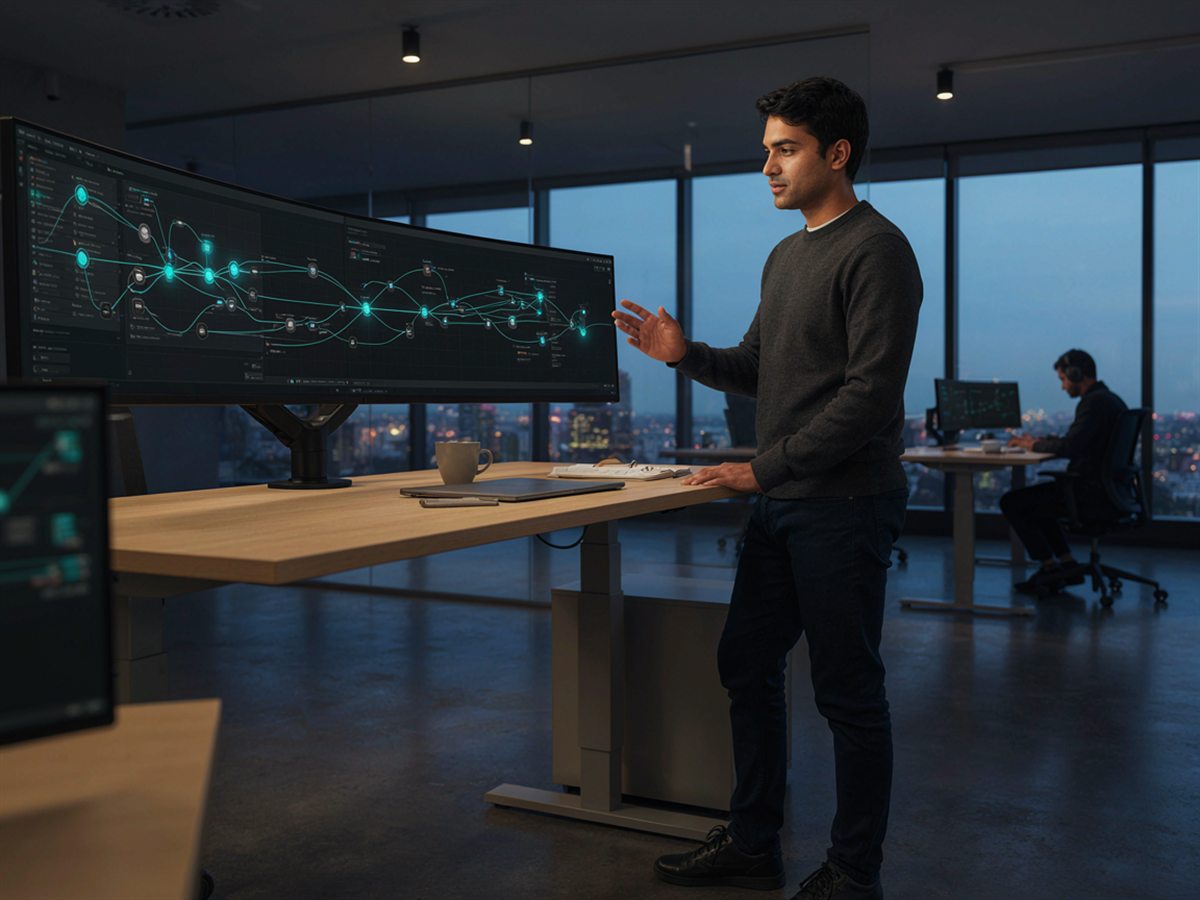
Stop relying on manual inspection and legacy CCTV loops. We build production-grade computer vision models that extract, analyze, and act on visual inputs at the edge and in the cloud.
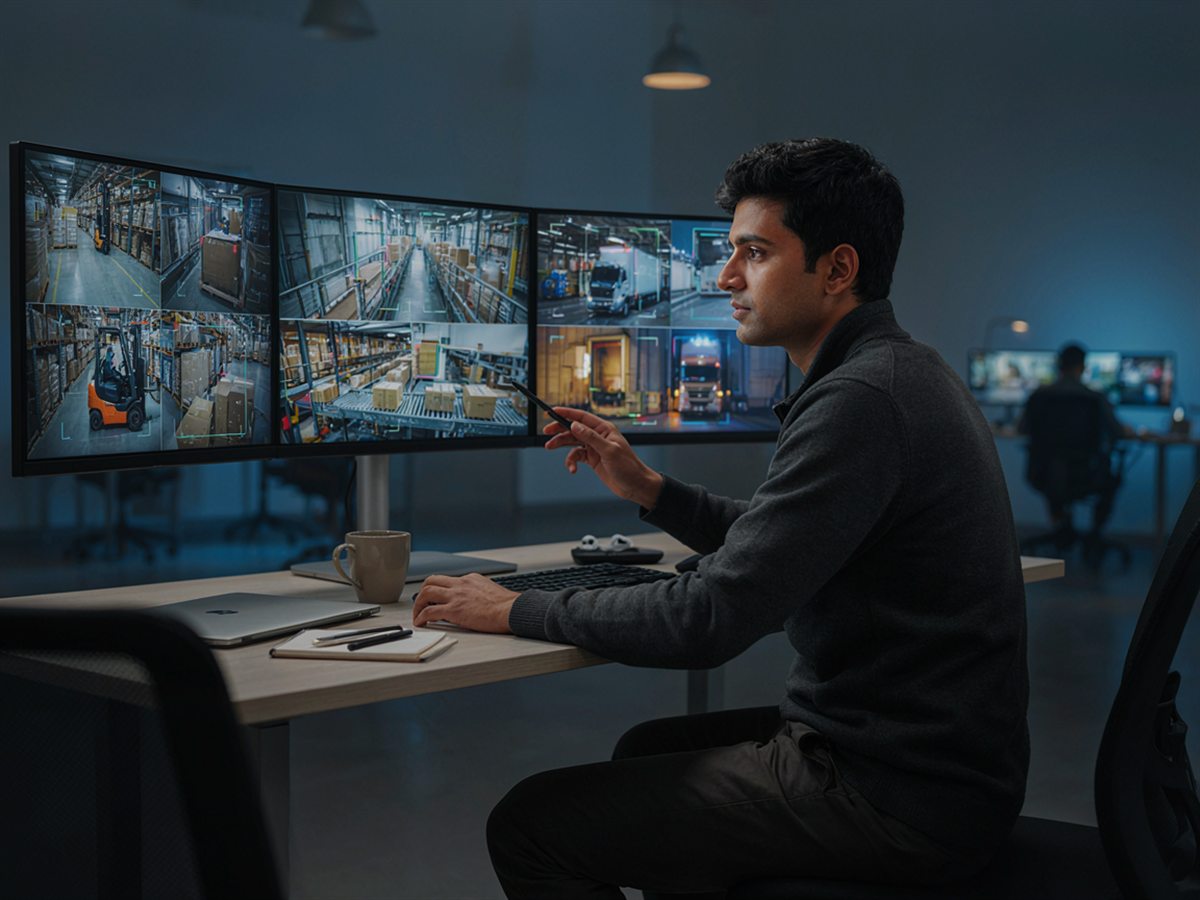
Models trained on clean lab images break the moment shadows, weather, or camera angles shift in the real world.
Processing high-definition video streams locally or via cloud introduces lag, making real-time intervention impossible.
Manual labeling is slow, expensive, and prone to human error, stalling model improvements.
Insights stay locked in monitoring dashboards instead of automatically triggering physical workflows or alerts.
Sub-millimeter anomaly detection for manufacturing and production lines, catching flaws before packaging.
Real-time tracking of workspace compliance, forklift routing, PPE detection, and site safety metrics.
Extracting structured data from complex unstructured sources—invoices, blueprints, handwritten logs, and security feeds.
Lightweight models engineered to run efficiently on edge hardware or scale massively via cloud infrastructure.
Automated defect detection on production lines that catches flaws before packaging, sub-millimeter accuracy.
Shelf and stock monitoring, planogram compliance, and loss-prevention analytics from existing store cameras.
PPE compliance, safety-zone monitoring, and forklift or vehicle tracking across active job sites.
Package and label OCR, in-transit damage detection, and dock or yard monitoring at scale.
High-volume document and video OCR — invoices, blueprints, handwritten logs, and security footage.
Crop health monitoring and produce grading from field or drone imagery.
Assessing camera specs, lighting conditions, data volume, and defining target detection parameters.
Custom dataset curation, synthetic edge-case generation, and baseline accuracy optimization.
Edge/cloud deployment, low-latency streaming pipeline setup, and automated alert webhook wiring.
Active learning pipelines that capture edge-case failures, auto-label, and retrain models continuously.
In most deployments we work with the cameras and feeds you already have. We assess resolution, angle, and lighting during the sensor audit and flag only the gaps that genuinely need hardware changes.
Lab demos are trained on clean images; we specifically curate synthetic and real edge cases — shadows, weather, camera angle shifts — during model training so accuracy holds up on your actual floor or site.
Either, depending on your latency needs. We ship lightweight models optimized to run on edge hardware for real-time intervention, or scale via cloud infrastructure where latency is less critical.
Less than most teams expect. We combine your existing footage with synthetic edge-case generation, then use active learning to keep improving accuracy as the system runs.
Yes — detections can wire directly into alert webhooks, dashboards, or downstream workflows, so insights don't stay stuck in a monitoring screen.
Typically 2–4 weeks to a trained baseline model after the initial sensor and data audit, with pipeline integration following in weeks 5–6.
Tell us about your use case and we'll get back to you within one business day — or skip the form and chat with us directly on WhatsApp.
Chat on WhatsApp